Performance
Website speed optimization, caching strategies, Core Web Vitals, server tuning, and performance monitoring techniques.
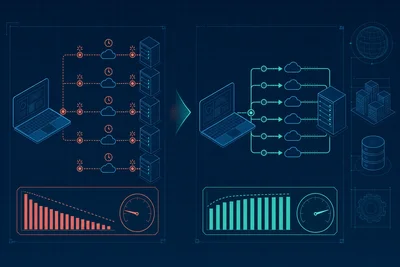
How Keep-Alive Connections Reduce the Overhead That Slows Down Every Request
Persistent connections quietly cut out repeated handshake overhead on every request. Here's how Keep-Alive works, how to configure it properly, and wh...

How Third-Party Scripts Are Silently Destroying Your Page Load Time
Third-party scripts like chat widgets, analytics, and ad tags quietly add seconds to your load time. Here's how to find them, measure their impact, an...

The Hardware Specs That Separate Truly Fast Hosting From the Pretenders
Marketing terms like "blazing fast" don't mean much without the hardware to back them up. Here's exactly what CPU, storage, RAM, and network specs act...

How Indexing the Right Database Columns Can Slash Query Time by 90 Percent
A well-placed database index can turn a painfully slow query into a fast one, sometimes cutting query time by over 90 percent. Here's how to find the...

How Synthetic Monitoring Catches Performance Regressions Before They Hit Production
Synthetic monitoring runs scripted performance tests on a fixed schedule, creating a consistent baseline that catches regressions the moment they appe...

Nginx Gzip Compression Settings That Shrink Every Response Without Sacrificing Speed
Gzip compression is one of the fastest wins in Nginx performance tuning. Learn the exact settings that shrink HTML, CSS, and JS by up to 80% without a...

How Largest Contentful Paint Scores Expose the Real Bottlenecks in Your Hosting Setup
Your LCP score is a direct window into your server's performance. Learn how to read the four LCP sub-phases, pinpoint hosting bottlenecks, and apply t...

How to Choose a CDN Edge Network That Actually Covers Your Audience
More edge locations doesn't always mean better coverage for your audience. Here's how to evaluate CDN performance where it actually counts - your real...

How Critical Rendering Path Optimization Gets Your Page Visible Faster
The critical rendering path determines how quickly a browser can show something on screen. Here's how to stop blocking it — and make pages feel instan...

Memcached vs. Redis: Which Caching Layer Belongs on Your Server
Memcached and Redis both cache data in memory — but they're built for different jobs. Here's how to decide which caching layer actually belongs on you...

Why Your Hosting Location Affects Server Response Time More Than Anything Else
Your server's physical location may be the single biggest factor affecting your site's response time — and most people never check it. Here's why geog...

How to Measure Page Load Time With Tools That Actually Tell You Something Useful
Not all performance tools tell you the same thing — or anything useful. Here's how to measure page load time properly, interpret what the numbers mean...