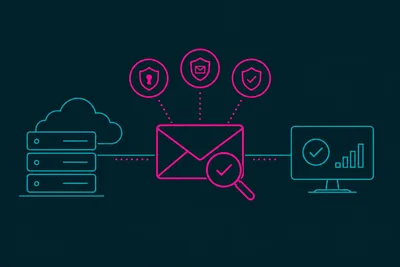
If you send email to a list, you've probably wrestled with this question: should new subscribers confirm their email address before you start sending to them? A lot of people skip this step because it feels like friction. One extra click, one extra chance for someone to abandon the signup. But that small step, called double opt-in, is one of the strongest email spam prevention tools you have. Here's why it matters more than most people realize.
What Double Opt-In Actually Means
Single opt-in is simple. Someone types their email into a form, hits submit, and they're on your list. No verification, no confirmation. It's fast, but it's also a mess waiting to happen.
Double opt-in adds one step. After someone signs up, you send a confirmation email asking them to click a link before you add them to your list. If they don't click, they never receive another message from you. It sounds small, but that one click changes everything about the quality of your list.
How Double Opt-In Works as Email Spam Prevention
Most spam complaints don't come from people who never wanted your emails, they come from people who forgot they signed up, typed their address wrong, or never signed up at all. Double opt-in filters out all three of these problems before they become your problem.
Think about what happens without it:
- Someone mistypes their email, and a stranger starts getting messages meant for someone else.
- A bot fills out your signup form with fake or scraped addresses.
- Someone signs up on impulse, forgets, and marks your next email as spam months later.
Every one of these scenarios hurts your sender reputation. Every spam complaint, every bounce, every unengaged address on your list tells inbox providers that your emails might not be wanted. Double opt-in stops most of these situations before they start, because only people who actually want your emails make it past the confirmation step.
The Sender Reputation Connection
We've written before about how sender reputation works, and it's the single biggest factor in whether your emails land in the inbox or the spam folder. Inbox providers like Gmail and Outlook are constantly scoring you based on how recipients react to your messages. Do they open them? Do they mark them as spam? Do they just ignore them forever?
A list built on double opt-in tends to score better on all of these signals. The people on it chose to be there, twice. They're more likely to open, click, and engage, which tells inbox providers your emails are wanted. That reputation carries over to every campaign you send, not just the ones sent to freshly confirmed subscribers.
Fighting Fake Signups and Bot Traffic
Signup forms attract more automated traffic than most people expect. Bots scrape email addresses from the internet and submit them to random forms, sometimes to sign real people up for spam without their knowledge, sometimes just to test which forms accept junk data.
With single opt-in, these addresses land straight on your list. You'll never get a response from them because they were never real signups to begin with. But you'll still send to them, and inboxes that don't exist or don't engage drag your metrics down. Double opt-in removes almost all of this junk automatically, since a confirmation link sent to a fake or scraped address just sits there unclicked.
This ties directly into a related problem we've covered in how honeypot traps end up on your mailing list. Spam trap addresses are designed to catch senders who don't verify their lists. If you're emailing addresses that never confirmed interest, you're far more likely to hit one of these traps and damage your reputation with every major inbox provider at once.
The Trade-Off: Fewer Subscribers, Better Ones
The honest downside of double opt-in is that you'll see fewer names on your list. Some studies suggest confirmation rates land anywhere between 60% and 80%, meaning you lose a chunk of signups who never click the confirmation link.
But list size is a vanity metric if the people on it don't open your emails. A list of 5,000 confirmed, engaged subscribers will outperform a list of 20,000 unverified ones every single time, both in results and in deliverability. Marketers chasing big numbers often end up with the exact deliverability problems that push emails into spam in the first place.
Setting It Up Without Losing Subscribers Unnecessarily
You can reduce the drop-off from double opt-in with a few simple adjustments:
- Make the confirmation email obvious. Use a clear subject line like "Please confirm your subscription" so it doesn't get mistaken for spam itself.
- Send it immediately. The longer someone waits after signing up, the less likely they are to remember why they're getting an email.
- Keep the confirmation simple. One button, one click, no extra forms to fill out.
- Follow up once. A gentle reminder a day or two later can recover some subscribers who missed the first email.
This is also where your email server setup matters. If your confirmation emails themselves get flagged as spam because of a poorly configured mail server, none of this works. Proper authentication records and a clean sending reputation on the server side matter just as much as the opt-in process itself. On a managed setup, we make sure the server-side configuration for outgoing mail is handled correctly from the start, so confirmation emails actually reach the inbox instead of getting lost before your subscribers even see them.
Double Opt-In Isn't the Whole Strategy, But It's the Foundation
No single tactic solves email spam prevention on its own. You still need to watch your bounce rates, keep your content out of spam trigger territory, and monitor engagement over time. But double opt-in solves the problem at the very first step, before a single bad address ever makes it onto your list. That's what makes it so effective. It's prevention, not cleanup.
If you're building a list from scratch or cleaning up an existing one, switching to double opt-in is one of the highest-leverage changes you can make. You'll send fewer emails to more people who actually want them, and your deliverability will thank you for it.